Best False Ceiling Types for Modern Homes – Design, Materials, and Benefits Guide

Complete False Ceiling Planning Guide for Interior Design
False ceilings have become an essential part of modern home interiors. They enhance aesthetics, conceal wiring, improve lighting design, and even help with thermal comfort. Choosing the right type of false ceiling depends on budget, room purpose, and overall interior theme.
JRM Construction helps homeowners select ceiling designs that combine functionality, durability, and modern aesthetics.

1. What Is a False Ceiling?
A false ceiling (also called a dropped ceiling) is a secondary ceiling installed below the main structural slab. It creates space to conceal electrical wiring, AC ducts, and lighting fixtures while enhancing interior appeal.
Key benefits:
Improves lighting design
Conceals pipes and wiring
Enhances sound insulation
Adds modern aesthetic appeal
2. Gypsum False Ceiling – Most Popular Choice
Gypsum ceilings are widely used in residential construction due to their smooth finish and flexibility in design.
Advantages:
Lightweight and easy to install
Smooth surface finish
Ideal for recessed lighting
Fire-resistant properties
Best suited for living rooms, bedrooms, and hall areas.
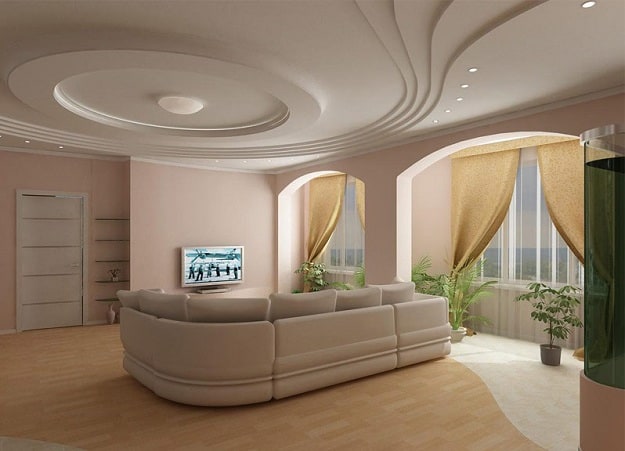
3. POP (Plaster of Paris) False Ceiling
POP ceilings allow custom shapes and detailed designs.
Benefits:
Flexible for decorative patterns
Seamless finish
Suitable for traditional and modern designs
However, POP requires skilled labour and proper curing to prevent cracks.

4. PVC False Ceiling – Low Maintenance Option
PVC ceilings are moisture-resistant and easy to maintain.
Why Choose PVC:
Ideal for bathrooms and kitchens
Resistant to water and termites
Affordable and lightweight
PVC works well in humid areas like Chennai.

5. Wooden False Ceiling – Premium Look
Wooden ceilings create warmth and elegance.
Advantages:
Natural aesthetic appeal
Ideal for luxury homes
Enhances acoustic performance
Proper treatment is necessary to protect against termites and moisture.

6. Metal False Ceiling – Modern and Durable
Metal ceilings are durable and commonly used in commercial spaces but can also suit contemporary homes.
Features:
Long-lasting and strong
Fire-resistant
Low maintenance
Best for modern industrial-style interiors.

7. Grid or Armstrong Ceiling
These ceilings use a suspended grid system with removable tiles.
Benefits:
Easy maintenance and access
Ideal for offices and utility areas
Quick installation process
Less common in premium residential living spaces.

8. Which False Ceiling Is Best for Your Home?
The best choice depends on:
Room purpose (living room, bedroom, kitchen)
Budget range
Lighting design requirements
Climate conditions
Maintenance preference
Gypsum is often preferred for modern homes due to its balance of cost and aesthetics.
9. False Ceiling and Lighting Integration
False ceilings allow advanced lighting designs such as:
Cove lighting
LED strip lighting
Spotlights
Layered ambient lighting
Proper lighting enhances the visual depth of interiors.
How JRM Construction Plans False Ceilings
JRM Construction ensures:
Proper structural support planning
Concealed wiring integration
Durable and moisture-resistant materials
Clean and precise installation
The focus is on combining functionality with elegant interior design.
Advantages of Installing a False Ceiling
Enhances interior aesthetics
Improves thermal and acoustic comfort
Conceals services neatly
Adds property value
Supports modern lighting concepts
Conclusion – Elevate Your Interiors with the Right Ceiling Design
False ceilings are no longer just decorative additions — they play a key role in modern interior planning. Choosing the right material and design ensures durability, comfort, and aesthetic appeal.
JRM Construction helps homeowners in Chennai design stylish and functional ceilings that complement their overall architectural vision.
Share this article
Related Articles
Hidden Costs in Home Construction You Should Know
A Practical Budget Guide for Home Builders in ChennaiWhen planning a house construction, most homeowners calculate only the basic construction cost per square f...
Is It Too Costly to Build a House in Chennai?
Understanding Real Construction Costs vs Value For many homeowners in Chennai, one of the biggest concerns before starting a project is simple: “Is building a h...
How to Get CMDA Approval for House Construction in Chennai
A Complete Guide for Homeowners Before starting house construction in Chennai, obtaining proper approvals is one of the most important legal steps. Among these,...