Types of Water Leakages in Houses and How to Prevent Them
Complete Leakage Identification and Prevention Guide
Water leakage is one of the most common and damaging issues in residential buildings. If not identified and treated early, leakages can weaken structural elements, damage interiors, and lead to costly repairs. Understanding the types of leakages and their causes helps homeowners take preventive measures during construction and maintenance.
JRM Construction focuses on preventive planning and quality execution to ensure homes remain leak-free and durable for the long term.
1. Roof and Terrace Leakage
Roof leakages occur due to exposure to rain, sunlight, and temperature variations.
Common Causes:
Improper waterproofing
Cracks in roof slab
Poor drainage slope
Prevention Tips:
Apply high-quality waterproofing systems
Ensure proper slope and drainage outlets
Regular inspection and maintenance

2. Bathroom and Toilet Leakage
Bathrooms are high-moisture zones, making them prone to seepage.
Causes:
Faulty plumbing joints
Inadequate waterproofing below tiles
Cracks in walls or floors
Prevention:
Waterproofing before tiling
Proper pipe testing
Use of quality fittings and sealants

3. Plumbing Leakage
Plumbing leaks can occur within walls or floors, often going unnoticed initially.
Causes:
Low-quality pipes
Improper pipe joints
Excess water pressure
Prevention:
Pressure testing before finishing work
Use of branded plumbing materials
Regular maintenance checks

4. External Wall Seepage
External walls face direct exposure to rain and humidity.
Causes:
Cracks in plaster
Poor-quality paint or coating
Inadequate wall thickness
Prevention:
Weather-resistant exterior coatings
Crack filling and plaster repairs
Proper curing during construction

5. Basement and Foundation Leakage
Basement or foundation leakages are caused by groundwater pressure.
Causes:
Poor foundation waterproofing
High groundwater table
Inadequate drainage
Prevention:
Proper foundation waterproofing
Drainage systems around the building
Use of damp-proof materials

6. Window and Balcony Leakage
Leakage around windows and balconies often results from poor sealing.
Causes:
Gaps between frames and walls
Improper slope in balconies
Poor-quality sealants
Prevention:
Use of waterproof sealants
Proper balcony slope design
Quality installation of frames
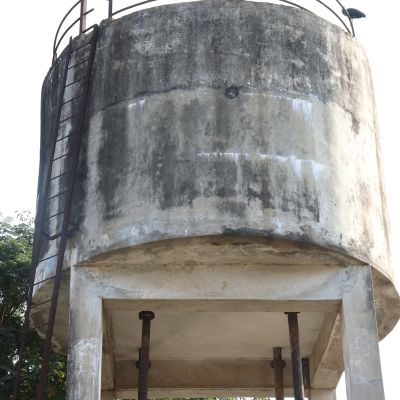
7. Overhead Tank and Sump Leakage
Water storage areas are common sources of leakage.
Causes:
Cracks in tank walls
Poor waterproofing
Aging materials
Prevention:
Periodic tank inspection
Waterproof lining and coating
Proper construction and maintenance
How JRM Construction Prevents Leakages
JRM Construction follows a structured approach to leakage prevention by:
Applying waterproofing at multiple stages
Using quality materials and tested methods
Ensuring proper slope, drainage, and curing
Conducting quality checks before handover
This proactive planning helps avoid future repair costs.
Advantages of Leakage Prevention
Protects structural strength
Reduces maintenance expenses
Improves indoor comfort
Prevents mold and dampness
Extends building lifespan
Conclusion – Prevention Is Always Better Than Repair
Water leakages can cause serious damage if ignored. By understanding different leakage types and implementing preventive measures during construction, homeowners can ensure long-lasting protection.
JRM Construction helps clients in Chennai build durable, leak-free homes through quality workmanship, proper waterproofing, and preventive design practices.
Share this article
Related Articles

Chettinad Homes in Chennai: The Perfect Blend of Culture and Comfort
Why Cultural Architecture is the Future of Modern LivingAs modern homeowners seek spaces that offer more than just functionality, cultural architecture is emerg...
Athangudi Tiles in Modern Chennai Homes | Traditional Flooring Trends 2026
Traditional Flooring Trends in Modern Chennai Homes: Why Athangudi Tiles Are Making a ComebackIn today's fast-evolving construction and interior design landscap...
Rainwater Harvesting Integration in Modern Homes
Sustainable House Construction in Chennai Water scarcity has become a major concern in rapidly growing cities like Chennai. With increasing urbanization and unp...